Allergy safe cleaning Fulham what to know before booking
If you're looking into Allergy safe cleaning Fulham what to know before booking, you're probably dealing with more than just dust. Maybe it's sneezing in the bedroom every morning, itchy eyes after vacuuming, or that familiar worry that a "deep clean" might actually stir everything up. Fair enough. For people with asthma, hay fever, pet sensitivities, or general dust irritation, the wrong cleaning approach can make a home feel worse, not better.
This guide walks you through what allergy-safe cleaning really means, how to judge a provider before you book, and the practical questions worth asking in Fulham homes and flats. We'll cover product choices, methods, standards, common mistakes, and the little details that separate a genuinely careful clean from a fast one. Let's face it, the brochure words are easy. The real test is what happens in your rooms.
Why Allergy safe cleaning Fulham what to know before booking Matters
Allergy-safe cleaning is not just "a bit more careful" cleaning. In practice, it means reducing the chance that dust, pollen, pet dander, mould spores, chemical residue, or cleaning overspray gets pushed back into the air or left behind on surfaces. That matters in Fulham because homes here vary so much: compact flats, older Victorian properties, busy family homes, period rooms with more fabric, and often not a lot of storage for the awkward bits of cleaning gear.
When cleaning is done badly, you can notice it quickly. The air feels heavy. A freshly cleaned sofa still smells of product. A bedroom looks spotless, but your nose says otherwise. You may even get a short flare-up after the clean, which is exactly what you are trying to avoid.
The other reason this topic matters is simple: allergy-safe cleaning has to be judged on process, not just appearance. A shiny kitchen counter tells you very little about whether the vacuum had HEPA filtration, whether cloths were changed often, or whether the cleaner used fragrances that linger for hours. And if you've got children, guests with sensitivities, or a pet that lies everywhere, those details become pretty important, pretty fast.
Expert summary: The best allergy-safe clean is one that removes triggers without creating new ones. That means low-residue products, controlled dust removal, proper ventilation, careful vacuuming, and a sensible plan for fabrics, soft furnishings, and high-touch areas.
To be fair, most people don't book this service because they love the technical side. They book because they want the house to feel easier to breathe in. That's the real outcome to focus on.
How Allergy safe cleaning Fulham what to know before booking Works
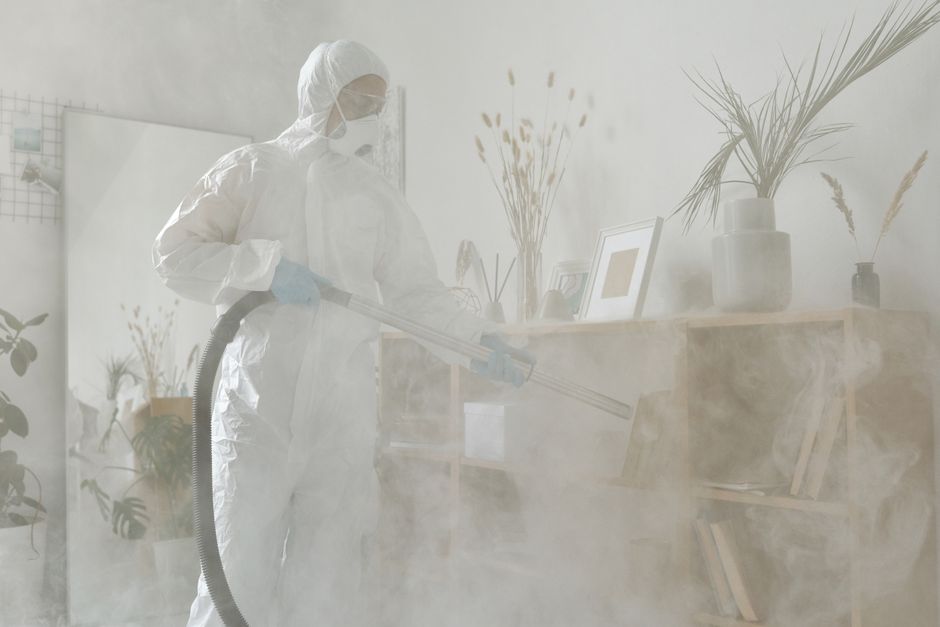
Good allergy-aware cleaning follows a simple logic: capture dust, avoid spreading it, remove residues, and dry things properly. Sounds straightforward. In reality, the method matters a lot.
1. Dust is controlled, not stirred up
Dry dusting in the wrong way can send particles airborne. A more careful approach usually starts with microfibre cloths, proper vacuuming, and cleaning from higher surfaces down to lower ones. If someone blasts around with a feather duster, you'll often smell that dusty-air feeling within minutes. Not ideal.
2. Vacuuming should trap allergens, not recycle them
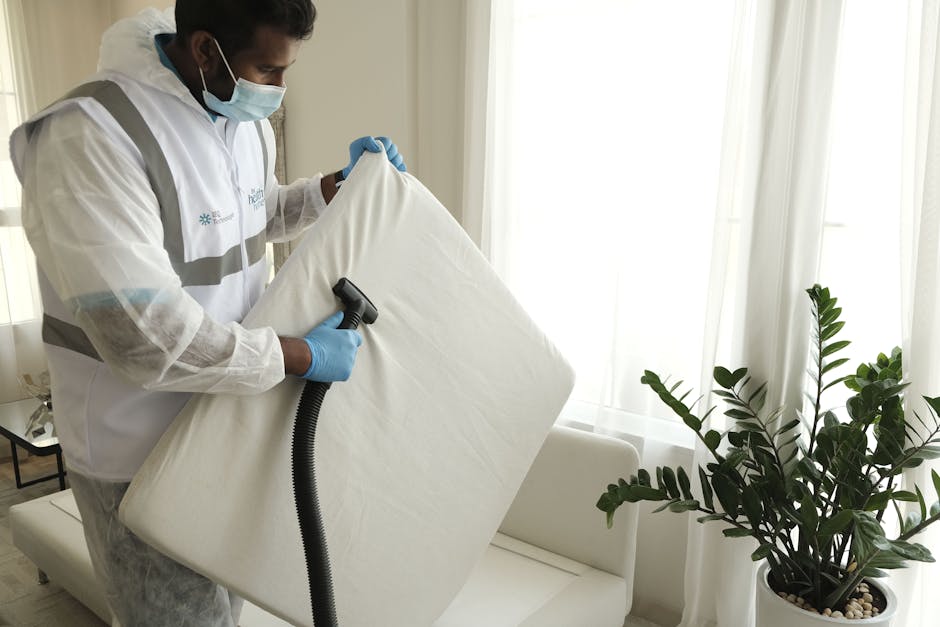
For carpeted areas, rugs, mattresses, upholstery, and soft furnishings, a vacuum with strong filtration is important. A sealed system and HEPA-grade filtration are commonly preferred because they help reduce the amount of fine dust escaping back into the room. The point is not just to pick up visible fluff; it's to handle the tiny stuff that lingers.
3. Products should be chosen with sensitivity in mind
Fragrance-heavy or highly reactive products can be troublesome for sensitive households. In a lot of cases, a low-residue, low-odour, and carefully rinsed product set is a better fit. That does not automatically mean "natural" products are safer. Some essential oils, for example, can still bother sensitive people. Mild is not always harmless, despite what the bottle would like you to think.
4. Moisture needs to be managed carefully
Wet cleaning is useful, but too much water can create lingering dampness, and dampness is a problem of its own. Soft furnishings, carpets, and mattresses need proper extraction and drying, especially in cooler months when windows may stay closed. In a London flat on a grey January afternoon, that difference matters.
5. Touchpoints and hidden zones get attention
Allergens collect where hands, pets, and fabric meet: skirting boards, bed frames, under sofas, curtain hems, light switches, and behind radiators. A true allergy-focused clean looks beyond the obvious. That's where the sneezes often come from, annoyingly enough.
Key Benefits and Practical Advantages
There's a reason allergy-safe cleaning is growing in popularity in busy neighbourhoods like Fulham. It offers more than a neat finish.
- Better day-to-day comfort: less dust, fewer lingering smells, and a home that feels easier to live in.
- Reduced trigger build-up: helpful if symptoms worsen around carpets, bedding, pets, or upholstered furniture.
- More thoughtful product use: lower risk of strong fragrance or residue hanging around after the job.
- Better fabric care: suitable methods can help protect sofas, rugs, mattresses, and curtains while still cleaning them properly.
- Cleaner results in tricky rooms: bedrooms, nurseries, home offices, and living rooms all benefit from dust control.
- Improved confidence before guests arrive: useful if you host family, friends, or children with sensitivities.
There's also a less obvious benefit: it makes regular upkeep easier. Once allergens are managed properly, maintenance cleans tend to be less dramatic. The whole place just settles down a bit.
If you're comparing services, you may also want to look at specialist treatments for items that hold onto dust and odours, such as mattress cleaning, sofa cleaning, and curtain cleaning. Those are often the hidden culprits in an allergy-sensitive home.
Who This Is For and When It Makes Sense
This kind of service is not only for people with diagnosed allergies. It can make sense for anyone who wants a cleaner indoor environment without harsh smells or lots of airborne dust.
It is especially worth considering if you have:
- hay fever or seasonal allergies that seem worse indoors
- asthma or breathing sensitivity
- children who spend a lot of time on carpets or cushions
- pets that shed hair and dander around the home
- recent renovation dust or building debris
- older soft furnishings that trap dust easily
- a home office where you sit for long hours and notice air quality more than you used to
It also makes sense when:
- you are moving into a new place and want a cleaner baseline
- you are preparing for a baby or a guest with sensitivities
- your symptoms seem to flare after standard cleaning days
- you want a deeper clean but dislike strong product smells
One thing people sometimes overlook: a room can look clean and still irritate you. A dusty blind, a forgotten rug, or a mattress with years of buildup can be enough. That's why allergy-safe cleaning is as much about what you don't see as what you do.
Step-by-Step Guidance
If you're booking for the first time, a little preparation helps a lot. The process is not complicated, but a good result comes from a few sensible steps.
Step 1: List your triggers and priorities
Before you enquire, jot down what tends to cause the problem. Is it dust? Pet dander? Fragrance? Pollen near open windows? Damp or mouldy smells? This gives the cleaner a starting point. Otherwise, they're guessing, and guessing is not a great strategy in a sensitive home.
Step 2: Identify the rooms that matter most
Bedrooms and living rooms are often the biggest win, followed by rugs, mattresses, sofas, and curtains. If you have limited budget or limited time, prioritise the rooms where you spend the most hours. A bedroom deep clean often makes a bigger difference than people expect. Sleep first, glamour second.
Step 3: Ask about products and methods
Find out what they use, how they minimise residue, and whether they can adapt for fragrance sensitivity. Ask whether they use microfibre cloths, HEPA-filter vacuums, extraction methods for carpets or upholstery, and whether they can avoid strong-smelling sprays. If the answer sounds vague, take that as useful information.
Step 4: Check how they handle fabrics and soft surfaces
Soft furnishings are where allergens settle. Good providers will explain how they treat carpets, rugs, upholstery, and mattresses differently. A one-size-fits-all approach is usually not enough. If you also need specialist help for floors or fibres, a broader service like carpet cleaning or upholstery cleaning may be the right fit.
Step 5: Prepare the home before the visit
Clear clutter where possible, move small items off floors, and mention any areas that are especially sensitive. If you have a pet, tell the cleaner where they are likely to be during the visit. A five-minute chat at the start saves a lot of awkwardness later.
Step 6: Ask about drying and ventilation
After wet cleaning, proper drying matters. Ask how long fabrics or carpets may take to dry, whether windows should be opened, and how they avoid damp patches. Nobody wants to clean out allergens only to create a musty corner behind the sofa.
Step 7: Review the result with your own senses
Look, smell, and breathe normally for a minute or two. Does the room smell neutral? Are surfaces free from visible residue? Does the air feel lighter? Those small checks are often more useful than a glossy finish.
Expert Tips for Better Results
Here are the sorts of details that make a noticeable difference in real homes, not just in theory.
- Choose low-fragrance or fragrance-free options where possible. A strong "fresh" smell is not the same thing as cleanliness.
- Vacuum slowly and methodically. Fast passes miss fine debris, especially in pile carpets and along edges.
- Work top to bottom. Cleaning shelves after floors just wastes your effort.
- Use clean cloths often. Reusing a dusty cloth can spread allergens from room to room.
- Pay attention to edges and hidden spots. Around beds, beneath radiators, under sofas, and behind doors.
- Keep windows open briefly if weather allows. Fresh air helps, though in spring pollen season you may want to balance that carefully.
- Ask for dry extraction or controlled moisture on fabrics. This helps reduce lingering dampness.
One small but useful tip: if you are sensitive to scents, tell the cleaner before they arrive, not halfway through when the hall already smells like a lemon grove. It sounds obvious. People forget. Often.
If you have a pet, consider pairing the clean with targeted pet stain odour removal so dander and lingering smells are handled together instead of separately. That can be a real quality-of-life improvement.
Common Mistakes to Avoid
Most problems with allergy-sensitive cleaning come from a few avoidable errors.
1. Choosing based on smell alone
Fresh scent does not equal low-allergen performance. In fact, heavy fragrance can make a room less tolerable for some people.
2. Forgetting soft furnishings
People often focus on visible surfaces and ignore the places that trap the most dust: mattresses, curtains, cushions, sofas, rugs, and carpets. That's where the improvement usually lives.
3. Not asking about filtration
Vacuum quality matters. If fine dust escapes back into the room, the clean is only half-done.
4. Over-wetting fabrics
Too much moisture can lead to odour, slow drying, and discomfort. A clean room should feel fresher, not wetter.
5. Leaving clutter everywhere
It's hard to clean thoroughly when surfaces are packed. Small piles of mail, toys, and chargers can hide a surprising amount of dust.
6. Assuming every "eco" product is safe for every household
Eco-friendly and allergy-friendly overlap sometimes, but not always. A product can be greener and still irritate sensitive occupants. Careful selection beats labels.
7. Not discussing pets, ventilation, or sleeping arrangements
If someone in the house is especially sensitive, you may need to plan the clean around that person's daily routine. That's just practical. No drama needed.
Tools, Resources and Recommendations
You do not need a cupboard full of gadgets to keep an allergy-aware home in better shape. A smaller, smarter set of tools usually works better.
- HEPA-filter vacuum: useful for carpets, rugs, upholstery, and mattress surfaces.
- Microfibre cloths: they pick up fine dust better than a lot of generic cloths, provided they are washed and replaced properly.
- Low-residue cleaning products: helpful for kitchens, bathrooms, and high-touch areas.
- Soft brush attachments: good for skirting boards, fabric edges, and delicate surfaces.
- Dehumidifier or ventilation plan: useful where damp is part of the problem.
- Spot treatment tools: for stains and small problem areas without over-cleaning the whole room.
For deeper fabric care, it can help to compare specialist services rather than treating everything as standard cleaning. For example, rug cleaning may be the best choice for a treasured piece that traps dust, while steam carpet cleaning may suit floors that need a more intensive refresh. If the issue is very localised, stain removal may be enough without a full-room treatment.
You might also find it helpful to check service details like pricing and quotes, especially if you are comparing one-off allergy support with a broader home refresh. Transparent booking information usually says a lot about how carefully the job is handled.
Law, Compliance, Standards, or Best Practice
For domestic cleaning, the key point is less about red tape and more about safe, sensible practice. A professional cleaner should be able to explain how they manage chemicals, prevent cross-contamination, and work safely around occupants, pets, and fragile surfaces.
In the UK, reputable providers usually follow common best practices around health and safety, insurance, and responsible handling of products. If you are booking for an allergy-sensitive home, ask whether the company has a documented health and safety policy and whether they are covered by suitable insurance and safety arrangements. Those details are not just admin. They tell you whether the business thinks about risk properly.
It is also sensible to ask how they store and dilute cleaning products, how they handle ventilation, and how they adapt if a household member has a strong sensitivity. Professional best practice usually means clear communication, care around residue, and honesty about what the service can and cannot do.
For readers who like paperwork to match practice, you may also want to review a provider's terms and conditions and privacy policy. Not thrilling, admittedly. Still useful.
Options, Methods, or Comparison Table
Different cleaning methods suit different allergy concerns. Here's a simple comparison to help you think clearly before booking.
| Method | Best for | Strengths | Watch-outs |
|---|---|---|---|
| Standard domestic clean | Light upkeep and visible tidying | Quick, flexible, good for general dust control | May not address embedded allergens in fabrics or carpets |
| Allergy-aware clean | Sensitive households and fragrance caution | Lower residue, more careful product choice, better dust control | Needs clear brief; results depend on the provider's method |
| Steam carpet cleaning | Carpets with deep-seated dust or soil | Can refresh fibres well when done properly | Requires correct drying and may not suit every material |
| Upholstery or sofa cleaning | Fabric furniture holding dust and dander | Targets common trigger areas in living rooms | Fabric type matters; strong wetting can be a problem |
| Mattress cleaning | Bedrooms and sleep-related triggers | Useful for dust buildup where you spend hours every night | Needs a careful process to avoid excess moisture |
If you are unsure which route to choose, start with the room that affects you most. For many people, that is the bedroom. Not the glam answer, but the useful one.
Case Study or Real-World Example
A typical Fulham scenario goes like this: a family in a two-bedroom flat notices that one child wakes up congested and the adult in the main bedroom feels worse after vacuuming. The flat looks tidy. There are no obvious problems. But there is a thick rug in the sitting room, a fabric headboard, a sofa that the dog uses as his unofficial office, and curtains that haven't been properly cleaned in ages.
Rather than starting with a full-home overhaul, the cleaner focuses on the bedroom first. The mattress is cleaned, the bed frame is dusted carefully, the skirting boards are wiped with fresh cloths, and the vacuuming is done slowly with proper filtration. In the living room, the sofa and rug are treated next, with attention to hidden edges and the areas where the dog curls up in the evening.
The result is not magical. Nobody wakes up in a fairy tale. But the room smells neutral, the dust settles more slowly, and the family notices they are reaching for tissues less often. That is the kind of improvement people actually want.
Small shifts like that matter. Especially when the house is busy, the weather is changeable, and you'd rather not spend the whole day sneezing into a tea towel. Real life, basically.
Practical Checklist
Use this before you book. It keeps the conversation focused and helps you compare providers properly.
- Have I identified the main trigger: dust, pollen, pet dander, fragrance, damp, or something else?
- Do I know which rooms need the most attention?
- Have I asked what products will be used?
- Have I asked whether the cleaning can be low-fragrance or fragrance-free?
- Do they explain how they reduce airborne dust during the clean?
- Do they use suitable vacuum filtration for fine particles?
- Are carpets, upholstery, rugs, mattresses, and curtains covered if needed?
- Have I checked drying time and ventilation advice?
- Do I need to mention pets, children, or sensitive household members?
- Have I reviewed pricing, insurance, and the company's safety information?
- Is there a clear way to raise concerns if the result is not right?
If you want a broader service overview before deciding, take a look at the company's main home page alongside the service pages. And if you're comparing providers carefully, the about us page can help you understand the team behind the work.
Conclusion
Booking allergy-safe cleaning in Fulham is really about asking the right questions before anyone arrives with a vacuum and good intentions. If you focus on products, filtration, fabric care, drying, and honest communication, you give yourself the best chance of a cleaner home that feels easier to breathe in.
The main thing to remember is this: the right clean should remove irritation, not introduce more of it. That means choosing the rooms that matter most, avoiding heavily scented products, and paying attention to the overlooked places where dust settles quietly.
And if you're still weighing it up, that's normal. A bit of caution here is sensible, not fussy. Truth be told, your nose and your lungs will tell you very quickly whether a clean has been done properly.
Get a free quote today and see how much you can save.
Take your time, ask the awkward questions, and choose the option that feels calm, careful, and right for your home. A better indoor atmosphere is a lovely thing, especially on a grey London day.
Frequently Asked Questions
What does allergy-safe cleaning actually mean?
It means cleaning in a way that reduces common triggers such as dust, dander, residue, and strong fragrance. The aim is to improve comfort for sensitive people, not just make a room look tidy.
Is allergy-safe cleaning the same as eco-friendly cleaning?
Not exactly. Some eco-friendly products work well for sensitive homes, but not all do. A product can be environmentally conscious and still irritate someone, so it's best to focus on low residue and low fragrance rather than labels alone.
Should I avoid scented products completely?
If anyone in the home reacts to perfume, strong scent, or sprays, then yes, it is usually wise to avoid them. Even light fragrance can linger longer than expected in a small room.
Do I need specialist cleaning for carpets and sofas?
Often, yes. Carpets, sofas, rugs, and mattresses hold onto dust and dander far more than hard surfaces. If those are major trigger zones, specialist fabric care can make a meaningful difference.
How can I tell if a cleaner is suitable for allergy-sensitive homes?
Ask what products they use, how they manage dust, whether they use HEPA filtration, and how they handle drying and ventilation. Clear, specific answers are usually a good sign.
Will steam cleaning help with allergies?
It can help in some cases, especially for carpets and upholstery, but the method has to be suitable for the material and followed by proper drying. Too much moisture can create other issues, so it needs care.
Is it safe to book if I have asthma?
Many people with asthma do book cleaning services, but it is sensible to be cautious about fragrances, dust control, and ventilation. If symptoms are severe or changing, follow medical advice as well as cleaning advice.
How often should I arrange allergy-aware cleaning?
That depends on the home. A busy household with pets, carpets, or frequent dust build-up may benefit from more regular attention than a low-traffic flat with mostly hard floors.
What should I do before the cleaner arrives?
Clear small clutter, note any sensitive areas, mention pets, and tell the provider about fragrance concerns or specific triggers. A short briefing at the start helps a lot.
Can allergy-safe cleaning help with pet odours too?
Yes, often it can, especially if the cleaner also treats fabrics and high-contact areas. Pet odour can linger in sofas, rugs, and mattresses, so a surface-only clean may not be enough.
Do I need to be out of the house during the clean?
Not always, but some people prefer to be out if they are very sensitive to noise, dust, or product smells. If you stay in, ask for rooms to be cleaned in a sensible order so you can avoid the strongest part of the work.
What is the biggest mistake people make when booking this type of service?
The biggest mistake is assuming all cleaning is the same. In an allergy-sensitive home, the method matters just as much as the result. A careful conversation before booking can save a lot of discomfort later.
If you're comparing local options, it can also help to understand the area and the type of homes being cleaned. Fulham has its own rhythm, from busy family streets to elegant period flats, and that mix affects how a home traps dust and how a clean should be planned. For a broader local feel, you might find the local area guide useful, especially if you are thinking about how lifestyle and interiors shape cleaning needs.