Pet Stain Odour Removal: Fresh, Clean Spaces for Homes with Pets
Pets bring joy, comfort, and companionship, but they can also leave behind stubborn stains and lingering smells that are difficult to remove. Whether it is a small accident on a carpet, a repeated marking spot on the floor, or a deep odour trapped in upholstery, pet stain odour removal is an essential part of maintaining a clean, healthy home. A fast response matters, but the right cleaning methods matter even more. If stains are treated incorrectly, odours can set deeper into fibres, padding, and porous surfaces, making them harder to eliminate later.
Many homeowners search for pet stain odour removal solutions after trying products that only mask the smell rather than remove it. The best results come from understanding what causes the problem, how different surfaces react to moisture and enzymes, and which cleaning techniques are safe for pets and family members. This article explores practical methods, prevention tips, and expert-level strategies for tackling pet accidents effectively.
From carpets and rugs to mattresses, hardwood floors, and sofas, every surface requires a different approach. By learning how to handle urine, vomit, feces, and general pet odours properly, you can protect your home’s cleanliness and reduce the chances of repeat accidents. For homeowners looking for reliable pet stain and odour removal results, the right combination of cleaning, deodorizing, and prevention can make a major difference.
Why Pet Stain Odour Removal Matters
More than surface cleaning
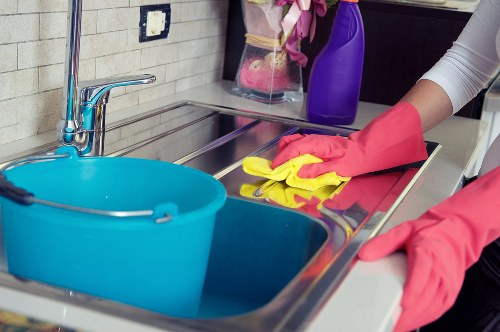
Pet accidents are not just cosmetic problems. They can penetrate deep into soft materials and create ongoing odour issues that become more noticeable over time. Pet stain odour removal is important because urine crystals and bacteria can continue producing a smell long after the initial accident. Even when a stain appears to be gone, the odour source may still be present beneath the surface.
In homes with multiple pets, one untreated accident can trigger repeated marking. Animals often return to places where they smell previous messes, which can lead to a cycle of contamination. This is why effective pet odour removal should always address both the visible stain and the invisible residue left behind.
Cleanliness also affects indoor air quality. Strong pet odours can make a home feel less fresh, impact comfort, and in some cases irritate sensitive individuals. A strategic approach to pet stain odour removal helps maintain a more pleasant, hygienic living environment.
Common Sources of Pet Stains and Odours
Identifying the type of accident
Different pet messes require different cleaning methods. The most common issues include urine, feces, vomit, saliva, and muddy paw prints. Of these, urine is usually the most challenging because it can soak into carpet backing, underlay, and even subflooring if not cleaned quickly.
Urine contains compounds that break down over time and release ammonia-like odours. Feces can leave bacteria and lingering smells, while vomit may contain food acids that stain fabric and carpeting. Understanding the source of the mess helps determine the best pet stain removal method and reduces the risk of damage.
Older stains are especially difficult because they may have dried and bonded with the fibres. In these cases, surface cleaning alone is usually not enough. You may need deep-cleaning methods, enzyme treatments, or professional pet stain odour removal services to fully resolve the issue.
Best Practices for Pet Stain Odour Removal at Home
Act fast and avoid common mistakes
The sooner you address a pet accident, the easier it is to remove. Start by blotting up as much liquid as possible with paper towels or an absorbent cloth. Avoid rubbing, since that can push the stain deeper into the material and spread it further. For solid messes, carefully lift the waste first before cleaning the area.
One of the most common mistakes in pet stain odour removal is using too much water. Excess moisture can spread the contaminant and allow it to travel deeper into carpets or upholstery. Another mistake is using harsh chemicals that may bleach fabric, damage flooring, or leave behind residues that attract more dirt.
Instead, use a method suited to the surface and the type of stain. Enzyme-based cleaners are often the most effective for organic pet messes because they break down the compounds causing the odour. For general fresh spills, a mild cleaning solution can help, but the solution must be thoroughly removed afterward.
Quick response steps
- Blot the area immediately.
- Remove any solid debris carefully.
- Apply an appropriate cleaner.
- Let the treatment sit for the recommended time.
- Blot and rinse if necessary.
- Dry the area completely.
How to Remove Pet Stains from Carpets
Deep-cleaning techniques that work
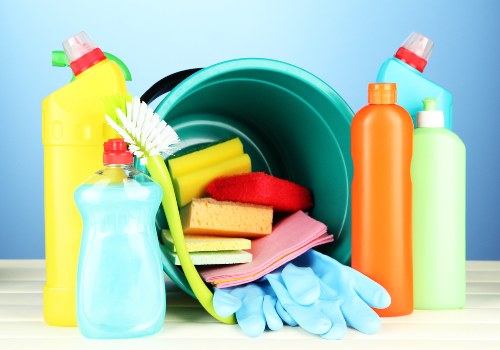
Carpets are among the most common surfaces affected by pet accidents, and they are also among the most absorbent. For effective pet stain odour removal in carpets, begin by removing excess liquid quickly. After blotting, apply a pet-safe enzyme cleaner directly to the stain and allow it to penetrate the fibres. This helps break down odour-causing compounds rather than simply covering them up.
For stubborn stains, a carpet extractor or wet vacuum can help remove residue from below the surface. If a stain has reached the underlay, repeat treatments may be necessary. In some cases, professional carpet cleaning equipment provides better results than household tools because it reaches deeper layers more effectively.
After cleaning, allow the carpet to dry fully. Airflow is important, and fans can speed up the process. A damp carpet can retain odours and create conditions for mould or mildew, which can worsen the problem. Proper drying is a crucial part of successful pet odour removal.
Helpful carpet-care tips
- Test cleaners on a hidden area first.
- Avoid steam cleaning before the stain is fully treated, as heat can set odours.
- Use a blacklight to locate older urine spots.
- Treat surrounding areas as well as the visible centre of the stain.
Pet Stain Odour Removal for Upholstery and Furniture
Protecting fabrics and cushioning
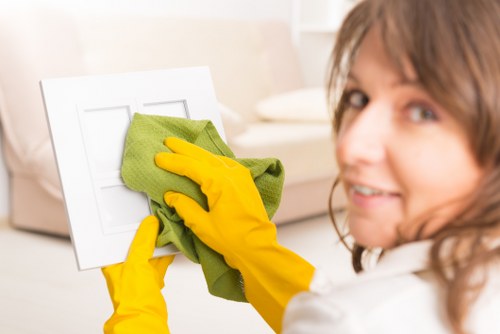
Sofas, chairs, cushions, and mattresses can absorb odours quickly. Because these materials are often delicate, pet stain odour removal must be handled carefully. Start by checking the care label if available. Some fabrics tolerate water-based cleaning, while others require professional treatment or dry-cleaning methods.
For washable covers, remove and clean them according to the manufacturer’s instructions. For fixed upholstery, use a minimal amount of cleaner and blot gently. Avoid oversaturating foam cushions, since moisture trapped inside can lead to persistent smell. A targeted enzyme treatment is often a good choice because it reaches organic residue without harsh scrubbing.
Mattresses need special attention because they are highly absorbent and difficult to dry completely. Use only a light application of cleaner, then place a fan nearby to encourage airflow. If odours remain, repeat treatment may be needed. In serious cases, professional pet stain odour removal may be the safest and most effective option.
Tip: Always check whether the fabric is colourfast before applying any cleaner to a visible area.
Hardwood, Tile, and Other Hard Surface Odour Removal
Cleaning without causing damage
Hard surfaces may seem easier to clean, but pet accidents can still cause hidden problems. On hardwood floors, urine can seep through cracks, seams, or damaged finishes and create deep-set odours. On tile, the grout lines can absorb liquids and become a source of repeated smell. Successful pet stain odour removal on hard floors depends on both the surface and what lies beneath it.
For sealed hardwood, wipe the area immediately and use a cleaner that is safe for wood finishes. Avoid excessive moisture, which can warp boards or damage the seal. For tile and grout, an enzyme cleaner or specialized grout cleaner may be necessary to lift stains from porous lines. If an odour persists, the problem may be in the subfloor or underlayment, not just the visible surface.
Vinyl and laminate floors require care as well. Strong chemicals can discolor the finish or weaken adhesive layers. When in doubt, use products designed specifically for the flooring type. Good pet stain removal should protect the surface while eliminating the source of the smell.
Why Enzyme Cleaners Are So Effective
Breaking down organic residues naturally
Enzyme cleaners are often recommended for pet stain odour removal because they target the biological material that causes the smell. Instead of simply perfuming the area, enzymes break down proteins, fats, and other organic compounds. This makes them especially useful for urine, feces, and vomit.
These cleaners work best when given enough time to sit on the affected area. Rushing the process can reduce effectiveness. After applying the solution, follow the product directions carefully. Some enzyme formulas need to stay damp for a while to fully activate. This patience often leads to better, longer-lasting odour control.
Another benefit is safety. Many enzyme products are designed to be pet-friendly when used properly, making them a practical choice for homes with animals. Still, it is wise to keep pets away from freshly treated areas until the surface is completely dry. That helps ensure the best pet odour removal results without unnecessary exposure.
When enzyme cleaners are especially useful
- New urine accidents on carpets.
- Repeated marking spots.
- Odours in upholstery.
- Organic stains in fabric, padding, and grout.
Natural Remedies vs. Commercial Products
Choosing the right approach
Many homeowners try natural solutions like vinegar, baking soda, or diluted soap before turning to commercial cleaners. These ingredients can help with light surface cleaning, but they may not fully remove deep odours. For effective pet stain odour removal, the best product is the one that addresses the depth and type of contamination.
Vinegar can help neutralize certain smells and is often used in DIY cleaning recipes. Baking soda can absorb odour from dry areas and may be useful after a stain has been cleaned. However, these methods may be insufficient for older or deeply embedded messes. They are best seen as supportive tools rather than complete solutions.
Commercial enzyme cleaners, oxygen-based stain removers, and specialty pet products are typically stronger options for recurring issues. The key is to choose products that are safe for the surface and effective against organic waste. In other words, successful pet stain and odour removal is about matching the method to the problem.
How to Prevent Future Pet Stains and Odours
Prevention saves time and stress
The easiest way to deal with pet messes is to reduce the chance of them happening in the first place. Regular bathroom breaks, consistent training, and prompt litter box maintenance all support a cleaner home. Prevention is an essential part of long-term pet stain odour removal because it lowers the number of repeat accidents.
If your pet has a habit of marking the same area, clean that spot thoroughly and consider using deterrents recommended by pet professionals. Make sure pets have access to clean water, exercise, and a reliable bathroom routine. For cats, keeping litter boxes clean and in quiet locations can help prevent accidents outside the box.
Protective covers, washable rugs, and stain-resistant fabrics can also reduce risk. Homeowners often find that a few simple changes make a significant difference. Staying proactive makes pet odour control much easier over time.
Prevention checklist
- Keep pet routines consistent.
- Clean accidents immediately.
- Use washable covers where possible.
- Maintain litter boxes and outdoor relief areas.
- Inspect hidden corners for recurring marks.
When to Call in Professional Help
Knowing the limits of DIY cleaning
Some stains are too deep, too old, or too widespread for basic home cleaning. If odours return after repeated treatment, the contamination may be trapped in carpet padding, subfloors, furniture stuffing, or wall materials. In such situations, professional pet stain odour removal can save time and improve results.
Professional cleaners often use advanced extraction tools, industrial enzyme systems, and moisture-detection methods that uncover hidden problem areas. They can also assess whether damaged materials need replacement. This is particularly useful after long-term accidents, multiple pet incidents, or heavy contamination in rental properties.
Another reason to seek expert help is to protect your home’s value and appearance. Persistent pet odours can affect comfort and may become noticeable to guests quickly. A professional treatment can restore freshness more effectively than repeated surface cleaning alone. If the smell keeps coming back, it is time to contact us today or book your service now to address the problem properly.
Building a Cleaner, Fresher Home with Pets
Consistency makes all the difference
Living with pets does not have to mean living with stains and odours. With the right habits, products, and cleaning methods, you can maintain a welcoming home while still enjoying the benefits of pet companionship. The most successful pet stain odour removal routines combine fast action, deep cleaning, and regular prevention.
Every surface in your home may need a slightly different approach, but the basic principles remain the same: remove the source, break down the residue, dry thoroughly, and prevent recurrence. Whether you are dealing with a fresh accident or an older lingering smell, persistence and the right products are key.
If you want a home that feels cleaner, smells fresher, and stays more comfortable for everyone in it, make pet odour care a regular priority. For stubborn messes, don’t wait until the smell spreads further. Contact us today for support, or book your service now and take the next step toward lasting freshness.
Final thought: Effective pet stain odour removal is not just about cleaning a mess; it is about restoring comfort, protecting surfaces, and creating a healthier home environment for people and pets alike.