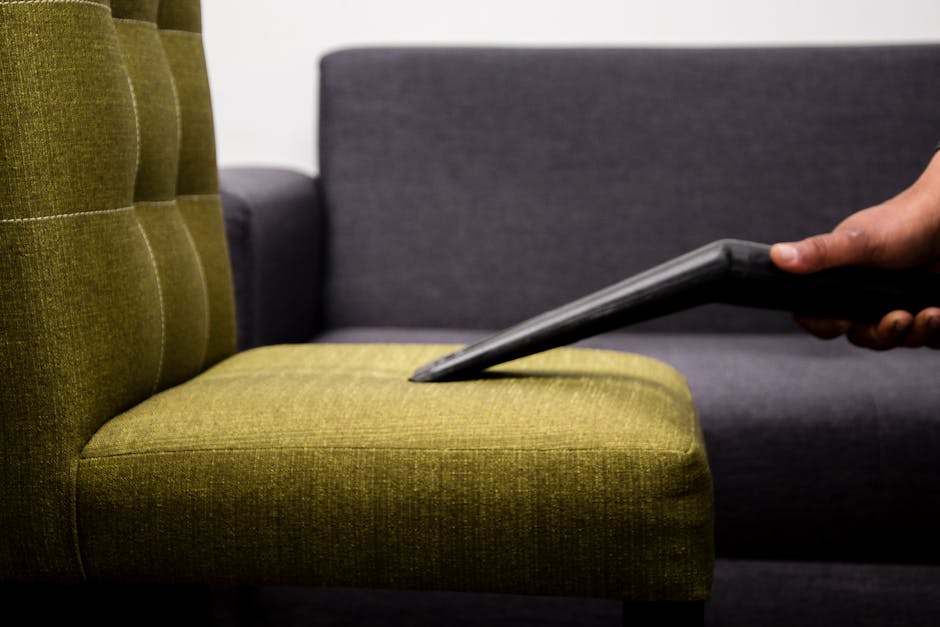
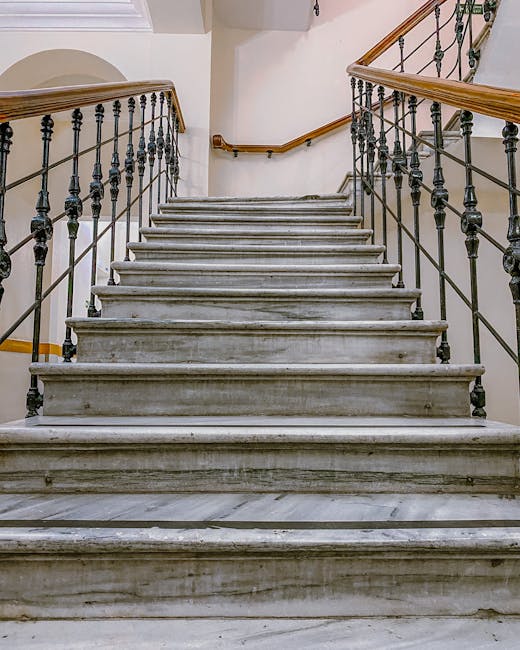
Narrow stairs sofa cleaning Fulham access problems solved
If you live in Fulham and your sofa has survived a few moves, a few spills, and one very awkward stairwell, you already know the problem. Narrow stairs sofa cleaning Fulham access problems solved is not just a nice phrase for the search bar; it is the real-world fix for getting a bulky upholstered item cleaned without damage, stress, or a comedy of bumps against the banister. In homes with tight landings, awkward turns, and those lovely Victorian staircases that seem designed by someone who disliked furniture, the job needs planning as much as cleaning.
This guide explains how access issues are handled, what a good sofa-cleaning visit looks like in a tight property, and how to avoid the common mistakes that can turn a straightforward clean into a headache. You will get practical steps, sensible expectations, and a few insider-style pointers so you can make a confident decision. To be fair, this is one of those jobs where a little preparation saves a lot of hassle later.
Table of Contents
- Why narrow stairs access matters
- How the sofa cleaning process works in tight spaces
- Key benefits and practical advantages
- Who this is for and when it makes sense
- Step-by-step guidance
- Expert tips for better results
- Common mistakes to avoid
- Tools, resources and recommendations
- Law, compliance, standards, or best practice
- Options, methods, or comparison table
- Case study or real-world example
- Practical checklist
- Conclusion
- Frequently asked questions
Why Narrow stairs sofa cleaning Fulham access problems solved Matters
Sofa cleaning sounds simple until you look at the staircase. Narrow stairs, tight bends, split-level flats, basement entrances, and compact hallways all affect how the work is carried out. In Fulham, where many properties mix period character with modern refurbishments, access can be the thing that decides whether a sofa is cleaned properly or whether it has to be awkwardly worked on in place.
That matters for a few reasons. First, the sofa itself. Upholstery can be delicate, and dragging or twisting it through a tight route can lead to scuffs, tears, or broken legs. Second, the property. Narrow walls, painted woodwork, and fitted carpets are easy to mark if the route is not planned carefully. Third, the result. When a cleaner has to work around poor access, the job can be rushed or incomplete. Not ideal, obviously.
There is also a trust element here. A customer wants to know that the cleaner understands local property layouts and will treat the home with respect. That is where a service backed by clear process and sensible preparation stands out. If you want to understand the wider upholstery service side of things, the main sofa cleaning page is a useful starting point, while broader fabric care is covered in upholstery cleaning.
Practical takeaway: In tight-access homes, the cleaning method is only half the job. Safe movement, preparation, and a realistic plan matter just as much as stain removal or deodorising.
How Narrow stairs sofa cleaning Fulham access problems solved Works
The process usually starts before any cleaning equipment is switched on. A careful cleaner will assess the route from entrance to room, the width of the stairs, the turn radius on landings, and whether the sofa can be shifted safely if needed. Sometimes the sofa stays in the room and is cleaned there. Sometimes it can be moved slightly, rotated, or lifted in sections if it has removable parts.
The cleaning method itself is then chosen around the fabric and condition of the item. On many sofas, hot water extraction or controlled low-moisture cleaning is suitable. But the access issue affects how equipment is brought in, how hoses are routed, and how much room is needed to work. If you have ever seen a technician pause at the bottom of a staircase and measure the gap with a calmer face than everyone else in the room, that is exactly the kind of moment that prevents damage later. Simple, really.
In practical terms, solving access problems means combining three things:
- Route planning: checking stairs, corners, doors, and landings before moving the sofa.
- Equipment choice: using tools that suit tight interiors and sensitive finishes.
- Protective handling: using covers, pads, careful lifting, and clear communication.
For readers who want a more general idea of how specialist cleaning services are presented and organised, the site's about us page can help build confidence in the company behind the work. If you are comparing jobs across different fabric items, the related rug cleaning and curtain cleaning services show how textile care can be handled across the home.
Key Benefits and Practical Advantages
When access problems are handled properly, the benefits are immediate. The work becomes safer, the result is better, and the whole appointment feels less disruptive. People often assume the main benefit is simply "the sofa gets clean", but it goes further than that.
- Less risk of damage: careful handling protects walls, stair edges, and the sofa frame.
- Cleaner results: a well-planned setup allows more time for actual cleaning rather than manoeuvring.
- Less household disruption: the job tends to be quicker and calmer, which sounds small until you're trying to keep a cat away from wet upholstery.
- Better stain treatment: stains, odours, and heavy soiling can be dealt with more thoroughly when the cleaner is not fighting the stairwell at every turn.
- More suitable methods: the technician can choose a technique that fits both the sofa fabric and the physical layout.
There is also a confidence benefit. Once the access issue is acknowledged early, you stop worrying about the "what ifs". Will the sofa fit? Will the landing be too tight? Will the cleaner have enough room to work? Good planning takes that pressure off. And let's face it, nobody wants their Saturday morning to turn into a furniture puzzle.
If the sofa also has embedded marks or patchy wear, it may make sense to pair the clean with targeted treatments from the stain removal service, especially where drinks, food, or everyday grime have settled into the fabric. For homes with pets, the pet stain odour removal option can be particularly useful.
Who This Is For and When It Makes Sense
This kind of service makes the most sense for anyone living in a property where furniture access is not straightforward. That includes top-floor flats, maisonettes, basement homes, and older houses with narrow staircases or sharp turns. It also suits tenants and owners who want the sofa cleaned without taking unnecessary risks with the building or the furniture.
You may especially benefit if:
- your sofa is large, heavy, or awkwardly shaped
- the staircase has a tight bend or shallow landing
- the fabric needs professional care rather than a DIY spray-and-hope approach
- you have pets, children, or high-use seating
- the item cannot easily be removed and reinstalled
- you need minimal disruption in a busy household
Truth be told, narrow-access cleaning is not just about difficult homes. It is also useful for people who simply want the job handled properly the first time. A quick clean that ignores the route into the room can cause more trouble than it solves. That is where a structured approach becomes worth it.
If the property forms part of a managed block or shared building, it can also be wise to review relevant policies in advance. The site's insurance and safety information is useful for understanding how a professional service approaches risk, while the health and safety policy gives a better feel for working standards.
Step-by-Step Guidance
If you are preparing for a sofa clean in a tight Fulham property, this is the cleanest way to approach it. Not glamorous, but effective.
- Measure the route. Check the narrowest part of the stairs, the front door opening, and any tight turn on the landing. A tape measure beats guesswork every time.
- Clear the access path. Move shoes, plant pots, mats, and anything else that could trip someone up or snag the sofa fabric.
- Identify removable parts. Cushions, feet, and loose covers may need to come off before movement begins.
- Check the fabric type. Some upholstery needs gentle moisture control; some can handle a deeper clean. Fabric type changes everything.
- Decide where the sofa will be cleaned. In many cases, in-room cleaning is safest if the stairs are extremely tight.
- Use protective materials. Corner guards, pads, and covers can help protect walls and flooring.
- Pre-treat stains. Visible spots, oils, and spill marks should be treated before the main clean, not after.
- Clean methodically. Work from the safest point outward and avoid over-wetting the fabric.
- Allow proper drying time. Good airflow helps. Rushing this stage can leave the sofa feeling damp or slightly musty.
- Inspect the finish. Check for missed marks, reappearing stains, or any transport scuffs before packing up.
A lot of people underestimate the value of the drying stage. On a humid afternoon, especially in a closed London flat, drying can take longer than expected. Open windows where sensible, keep the room ventilated, and do not sit down too quickly unless you enjoy that faint "just cleaned" damp feeling on your trousers.
For general fabric refreshes beyond sofas, you can also look at mattress cleaning or even steam carpet cleaning if the rest of the room needs attention too.
Expert Tips for Better Results
There are a few small details that make a big difference. They are not complicated, just the sort of thing experienced cleaners tend to notice immediately.
- Photograph the access route before moving anything. This helps clarify the plan and can be useful if there is a dispute about pre-existing marks. Not exciting, but handy.
- Tell the cleaner about previous repairs or weak points. Loose feet, wobbly arms, delicate stitching, and old frame damage should be mentioned early.
- Vacuum first if possible. Dry soil, crumbs, and pet hair can interfere with wet cleaning and make the result patchy.
- Give honest fabric history. If the sofa has been previously treated, dyed, or cleaned with store-bought products, say so.
- Ask about method choice. In a tight access property, low-moisture techniques may be preferable, but not always. Ask why a method is being used, not just what it is.
- Keep pets and children out of the route. Sounds obvious. Still worth saying.
One useful habit is to treat the appointment as two jobs: access management and cleaning. That mindset changes everything. It stops the job from feeling like an unpredictable lift-and-shift operation and turns it into a controlled process. More calm. Less chaos.
For readers comparing sofa cleaning with broader upholstery maintenance, the carpet cleaning page can help show how deep-clean principles vary by surface, while steam carpet cleaning is a useful reference point for homes that need more than one floor covering dealt with at once.
Common Mistakes to Avoid
The biggest mistakes are usually not technical. They are planning mistakes. And they are easy to make when you are focused on the result rather than the route to get there.
- Assuming the sofa will "just fit". Narrow stairs are unforgiving. Measure first.
- Forgetting to mention access issues in advance. If the cleaner does not know about the staircase, they cannot plan properly.
- Using too much water. In tight properties, poor drying can become a real annoyance.
- Ignoring fabric labels or care notes. Cleaning the wrong way can set a stain or roughen the pile.
- Skipping pre-vacuuming. Dry dirt turns into mud when mixed with moisture. Not a good look.
- Moving the sofa without protection. One scraped wall is enough to ruin an otherwise good appointment.
- Not checking parking or building access. Sometimes the stair issue is only part of the problem.
There is also a small but important mistake that people make with expectations: they assume every mark will disappear completely. In reality, some stains are permanent, some are faded rather than removable, and some fibres carry wear that cleaning can improve but not erase. A trustworthy cleaner should say that plainly, not dance around it.
If your sofa has a difficult stain history, it can help to review the available pricing and quotes information before booking, so you have a realistic idea of what is included and what may be additional.
Tools, Resources and Recommendations
You do not need a van full of specialist gear to understand what makes a good narrow-access sofa clean. But it helps to know the basics. A well-prepared job usually involves the following:
- measuring tape for checking stair width, door clearances, and sofa dimensions
- corner guards or protective pads to reduce scrape risk on walls and woodwork
- vacuum with upholstery attachment for dry soil removal before wet cleaning
- fabric-safe pre-spray for treating general grime and oily marks
- microfibre cloths and controlled-moisture tools for careful finishing work
- airflow and drying support such as open windows where practical and safe
From a customer point of view, the most useful resources are not actually tools, but information pages that help you understand what the company does and how it works. The site's pricing and quotes page is helpful for budgeting, while payment and security gives reassurance around the admin side. If you care about the bigger picture, recycling and sustainability is worth a look too.
That last point may sound slightly tangential, but it matters. In real life, people want a service that is clean in the environmental sense as well as the upholstery sense. Fair enough, really.
Law, Compliance, Standards, or Best Practice
For residential sofa cleaning, the most important thing is not usually a specific law, but safe working practice. A professional cleaner should act carefully around the property, use suitable products for the fabric, and avoid creating avoidable risk to people or surfaces. In the UK, that generally means paying attention to health and safety duties, using equipment responsibly, and communicating clearly about access limitations or hazards.
Where the property is part of a leasehold block or managed building, common-sense coordination matters too. Stairs, communal landings, and entrances may have rules around obstructions or damage prevention. It is wise to ask about any building-specific constraints before the appointment. That is not legal drama, just good manners and fewer surprises.
A good service will also be transparent about terms, complaints handling, and privacy. If you want to know how those basics are handled, the site provides straightforward pages for terms and conditions, complaints procedure, and privacy policy. Those pages are not exciting reads, admittedly, but they are part of a trustworthy service.
Best practice, in plain English, means this: don't force the sofa, don't rush the clean, and don't leave the customer guessing. If those three things are in place, the rest usually falls into place nicely.
Options, Methods, or Comparison Table
There is no single correct way to handle a sofa in a narrow stair property. The best method depends on the item, the fabric, and the access route. Here is a simple comparison to help you think it through.
| Approach | Best for | Pros | Limitations |
|---|---|---|---|
| In-room sofa cleaning | Very tight stairs or awkward turns | Least risky for access, avoids lifting issues | Needs enough working space in the room |
| Careful partial movement | Sofas that can be shifted safely | Allows better access for detailed cleaning | Still depends on the stairwell and sofa size |
| Low-moisture upholstery cleaning | Delicate fabrics or slow-drying homes | Faster drying, less saturation | May not be ideal for all deep soiling |
| Deep extraction cleaning | Heavier soil, traffic marks, general refresh | Strong cleaning power | Needs careful drying and fabric assessment |
As a rule of thumb, the tighter the access, the more important it becomes to keep the process simple and controlled. A less dramatic method that is handled properly is often better than a heavy-handed clean done in a cramped stairwell. Not the most glamorous truth, but it is the truth.
Case Study or Real-World Example
Picture a first-floor flat in Fulham with a narrow staircase, one sharp turn halfway up, and a sofa that looks perfectly normal until you try to move it. The customer wants a living room refresh after months of everyday use, plus a few marks from coffee and a pet that likes the armrest a bit too much.
The sensible approach is not to force the sofa downstairs and hope for the best. Instead, the access route is checked first. The front hall is cleared, the landing is measured, and the cleaner decides that the sofa can be treated in place with careful positioning and protective coverings. The fabric is pre-vacuumed, the stains are treated, and the cleaning is done with attention to drying time because the room is not especially airy on that side of the building.
The result is better than a rushed move would have been, because the sofa was never exposed to unnecessary handling. The customer avoids wall scuffs, the cleaner avoids a lift-and-pray situation, and the upholstery ends up looking fresher and smelling cleaner. Simple, but effective. That is usually how the best jobs go.
This is the sort of scenario where a service shaped around narrow stair access really earns its keep. Not because it is flashy, but because it makes a difficult job feel normal.
Practical Checklist
Use this checklist before booking or on the day of the clean.
- Measure the staircase, doorways, and the sofa itself
- Tell the cleaner about tight turns, low ceilings, or awkward landings
- Remove cushions and loose accessories
- Vacuum the sofa if you can
- Clear the access route from front door to room
- Point out old marks, weak stitching, or previous repairs
- Ask which cleaning method is planned and why
- Check whether drying time may be affected by humidity or closed windows
- Keep pets and children away from the working area
- Confirm any building access or parking constraints in advance
Quick reminder: the smoother the access plan, the better the cleaning outcome usually is. Funny how that works.
If you are ready to move from research to action, the simplest next step is to review the service details and ask for a tailored estimate through the website. You can also use the company's contact us page if you want to discuss a particularly awkward staircase or a sofa that is, frankly, a bit of a beast.
Get a free quote today and see how much you can save.
Conclusion
Narrow stairs sofa cleaning in Fulham is not really about squeezing a service into a difficult space. It is about solving access problems before they become damage problems, time problems, or drying problems. Once the route is measured, the fabric is assessed, and the cleaning method is matched to the property, the job becomes much more straightforward.
That is the practical win here. You get a cleaner sofa, less disruption, and a process that respects both the furniture and the home. In a city where homes can be charming and inconvenient at the same time, that balance matters more than people think.
And if your staircase still looks impossible at first glance, do not panic. Most of the time, there is a calm, sensible way through it.
Frequently Asked Questions
Can a sofa be cleaned in a flat with very narrow stairs?
Yes, often it can. If the stairs are too tight for safe movement, the cleaner may work on the sofa in place instead of forcing it through. That is usually the smarter option.
What if the sofa will not fit through the landing turn?
If the turn is too tight, in-room cleaning is often the answer. Some sofas can also be partly disassembled, but only if the frame and construction allow it.
Do I need to measure the stairs before booking?
It is strongly recommended. A quick measurement of the narrowest point, doorways, and the sofa dimensions helps avoid surprises on the day.
Is in-room sofa cleaning as effective as moving the sofa out?
In many cases, yes. The final result depends more on the fabric, the soiling, and the method used than on whether the sofa is moved out of the room.
How long does a sofa take to dry after cleaning?
Drying time varies depending on the cleaning method, airflow, humidity, and fabric type. In a closed or humid flat, it may take longer than you expect.
Can narrow stairs damage my sofa during removal?
They can, if the sofa is moved without care. That is why proper assessment, protective materials, and controlled lifting are so important.
What should I tell the cleaner before the appointment?
Mention the stair layout, any tight corners, previous damage, fabric concerns, stains, pet issues, and whether there is parking or building access to consider.
Is this service suitable for pet households?
Absolutely. In fact, narrow-access sofa cleaning is often useful in pet homes because it allows careful treatment of odours and worn areas without unnecessary moving.
Will every stain come out completely?
Not always. Some stains are set in, some have faded the dye, and some marks are really wear rather than dirt. A good cleaner should explain what is realistic before starting.
What is the safest cleaning method for delicate upholstery in a tight home?
That depends on the fabric, but low-moisture methods are often considered when drying space is limited. A proper fabric check is the starting point.
Can I combine sofa cleaning with other services in the home?
Yes, and that can be efficient. Many people combine it with carpet, rug, mattress, or stain treatment so the whole room feels refreshed at once.
What if I am unsure whether access will be a problem?
If you are unsure, ask anyway and describe the staircase as clearly as possible. A quick conversation upfront is much better than discovering the problem with a sofa halfway up the stairs.
Sometimes the smallest planning step makes the biggest difference. That is especially true in Fulham homes with character, tight corners, and furniture that seems to have a mind of its own.