New Kings Road carpet cleaning experts Fulham SW6: a practical guide to cleaner carpets and better results
If you live or work near New Kings Road, you already know the mix of busy footfall, everyday dust, and the odd spill that seems to appear out of nowhere. Carpets in Fulham SW6 take a fair bit of punishment. Shoes bring in grit, pets leave little surprises, and family life or office traffic slowly dulls even a decent pile. That is where New Kings Road carpet cleaning experts Fulham SW6 come in: not just to make carpets look better, but to help them last longer, feel fresher, and behave properly under real daily use.
This guide is for anyone weighing up professional carpet cleaning in the New Kings Road area, whether it is for a flat, a family home, a rental turnover, or a commercial space. You will find a clear explanation of how the work is usually done, what to ask before booking, what to avoid, and how to choose the right method for the fabric and the mess. Nothing fluffy. Just the useful stuff.
For readers who want a broader look at the service itself, the main carpet cleaning page covers the core service offering, while related needs like steam carpet cleaning and stain removal can be relevant for tougher, more specific situations.
Table of Contents
- Why New Kings Road carpet cleaning experts Fulham SW6 matters
- How New Kings Road carpet cleaning experts Fulham SW6 works
- Key benefits and practical advantages
- Who this is for and when it makes sense
- Step-by-step guidance
- Expert tips for better results
- Common mistakes to avoid
- Tools, resources and recommendations
- Law, compliance, standards, or best practice
- Options, methods, or comparison table
- Case study or real-world example
- Practical checklist
- Conclusion
- Frequently asked questions
Why New Kings Road carpet cleaning experts Fulham SW6 matters
Carpet cleaning is one of those jobs people often leave until the room starts looking tired. Fair enough. It is easy to ignore a carpet when the rest of the home is under control. But in a place like Fulham, and especially along a busy route such as New Kings Road, carpets absorb more than visible dirt. Fine dust settles deep into fibres, outdoor grit wears the pile down, and everyday foot traffic gradually flattens the surface.
That matters for three reasons. First, appearance. A clean carpet instantly lifts a room, and you feel that straight away when you walk in. Second, hygiene. Carpets can hold onto odours, pet residue, and allergens, which may not be obvious at first glance. Third, longevity. Let's face it, replacing carpet is far more expensive than maintaining it properly. Regular professional cleaning can help delay that replacement by a long way.
There is also a local angle. Homes and businesses near New Kings Road often deal with a mix of older flooring, newer interiors, and mixed-use spaces. One property might have a hallway carpet that gets hammered daily, while another has a reception area that needs to look smart for visitors all week. The same cleaning method does not fit every job. That is why local experience matters.
Good carpet care is not only about extraction and drying; it is also about judgment. Which fibres can handle moisture? Which stains need pre-treatment? Which areas are likely to wick back after cleaning? A specialist who understands these details saves you time, money, and the mild annoyance of having to deal with the same mark twice. You know the feeling.
Expert takeaway: the best carpet cleaning near New Kings Road is not simply the strongest clean; it is the clean that suits the fibre, the room, and the way the carpet is actually used.
How New Kings Road carpet cleaning experts Fulham SW6 works
Professional carpet cleaning usually starts with inspection. That sounds basic, but it is one of the most important steps. A cleaner should look at the fibre type, the level of soiling, the stain pattern, and any signs of wear or prior treatment. A wool carpet, for example, needs a more cautious approach than a synthetic office carpet. Simple enough, but easy to get wrong if you rush.
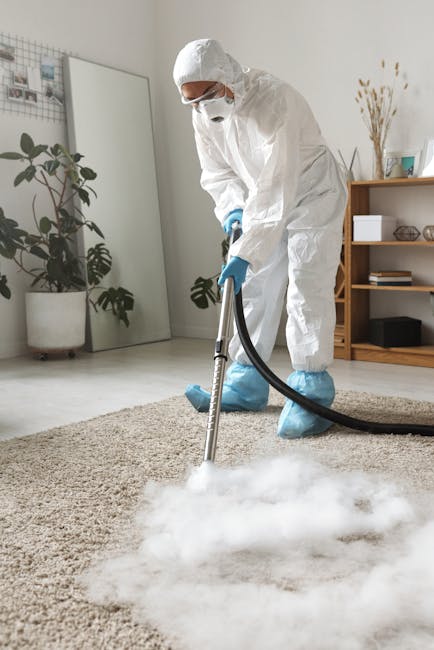
From there, the process typically includes vacuuming, spot testing, pre-treatment, agitation where appropriate, and then the main cleaning phase. Depending on the carpet and the cleaning system, that may involve hot water extraction, low-moisture methods, or a steam-based approach. The label "steam cleaning" is often used loosely, so it is worth asking what the service actually means in practice. True steam is not always the goal; controlled hot water extraction is often the better description.
Pre-treatment is where a lot of the value sits. Soiled areas, drink marks, muddy patches near entrances, and pet-related areas often need a separate solution before the main clean. Without that step, you can end up with a carpet that looks improved overall but still has dull spots where the grime was heavier. Not ideal.
Drying is the final part and, honestly, one that people underestimate. Fast drying helps reduce odour, protects the carpet backing, and makes rooms usable sooner. Good airflow, sensible temperature, and not over-wetting the fibres all help. If you have ever walked across a damp carpet in socks and regretted it instantly, you will know why this matters.
For households with other soft furnishings, it can be sensible to bundle the work. Related services such as upholstery cleaning, sofa cleaning, and rug cleaning often complement carpet cleaning because the whole room then feels consistently fresh rather than half-done.
Key benefits and practical advantages
There are the obvious benefits, and then there are the quieter ones that people only notice after the job is done. The obvious one is improved appearance. Stains fade, pile lifts, and colours look clearer. But the practical advantages are just as important.
- Better indoor freshness: carpets stop holding onto stale smells from pets, cooking, or traffic from outdoors.
- Improved presentation: useful in homes, rentals, offices, and hospitality spaces where first impressions matter.
- Longer carpet life: grit and embedded debris are abrasive; removing them helps reduce fibre wear.
- More effective stain management: targeted treatment can stop older marks from becoming permanent.
- Less DIY guesswork: the right process avoids over-wetting, colour bleed, and residue left behind by supermarket products.
There is a subtle but real comfort factor too. A freshly cleaned carpet makes a room feel calmer. It is a bit like opening a window on a crisp morning, only indoors. The room seems to breathe again. That may sound sentimental, but anyone who has lived with a stubborn mark in the middle of the lounge knows exactly what I mean.
For landlords and letting agents, a proper clean can support smoother handovers. For office managers, it can reduce the tired look that builds up near desks, reception areas, and walkways. For families, it can be about making shared spaces feel clean enough for children to crawl or sit on without that nagging "should we really be on this?" feeling.
Who this is for and when it makes sense
Professional carpet cleaning makes sense for more people than you might think. It is not only for visible disasters or end-of-tenancy resets. In fact, waiting until the carpet looks truly dreadful can make the job harder than it needs to be.
You are a strong candidate for cleaning if any of these apply:
- your carpet looks dull even after vacuuming
- there are visible stains, tracking, or dark paths in hallways
- you have pets and want to manage smell or hair build-up
- you are moving out, moving in, or preparing a property for guests
- someone in the home has allergies or sensitivity to dust
- your office, shop, or workspace needs to look more polished
- the carpet has not been professionally cleaned for a while, and you can tell
There are also situations where a specialist is simply the safer choice. Delicate fibres, older wool carpets, or heavily patterned flooring with unknown prior treatment can all benefit from an experienced eye. Better to ask one slightly awkward question up front than to deal with a damaged patch later. Nobody enjoys that call.
If the issue is a specific spill rather than a whole-room clean, targeted work may be enough. A coffee mark, wine spill, or ink blemish often responds better to focused stain removal treatment than to a general clean alone. Pet accidents may point you toward pet stain odour removal, which is more suited to lingering smells and contamination than a standard refresh.
Step-by-step guidance
If you are booking carpet cleaning around New Kings Road for the first time, a little preparation goes a long way. The process does not need to be complicated. It just needs to be sensible.
- Identify the problem areas. Note the rooms, the stains, and any especially worn patches. If there are pet zones, spills, or traffic lanes, mention them clearly.
- Check the carpet type. If you know whether it is wool, synthetic, blended, or a delicate woven rug, that helps the cleaner choose the right method.
- Clear small items and valuables. Move toys, lightweight furniture, cables, and fragile bits out of the way so the cleaner can work properly.
- Discuss the method. Ask whether the clean will be hot water extraction, low-moisture, or another system. The right answer depends on the carpet, not on a sales script.
- Confirm drying expectations. You want a realistic idea of how long the carpet should stay out of use. Overpromising here is a bad sign.
- Ask about pre-treatment. Most stained or heavily soiled carpets benefit from separate treatment before the main clean.
- Check aftercare advice. A good cleaner should tell you what to avoid in the first hours after cleaning, especially with doorways, furniture legs, or heavy foot traffic.
One small but useful habit: take a quick photo of problem areas before cleaning begins. Not for drama, just for comparison. It helps you judge the result properly afterwards, and it avoids the all-too-human "was it always that colour?" question.
After the job, keep the room ventilated if possible, and avoid rushing furniture back into place until the carpet is properly dry. If you have to put something down, use protective tabs or blocks under legs if recommended. Simple stuff, but it prevents damp rings and transfer marks.
Expert tips for better results
Experience matters most in carpet cleaning because the best results often come from small decisions. Here are the ones that make the biggest difference in real homes and workplaces.
- Vacuum first, properly. Loose grit acts like sandpaper. Removing it before treatment improves the finish and reduces residue build-up.
- Tell the truth about spills. If someone used a home remedy, say so. Vinegar, baking soda, washing-up liquid, and sprays can all change how stains respond.
- Deal with marks sooner rather than later. Fresh spills are generally easier to treat than old ones that have oxidised or set into the pile.
- Be careful with wool. Wool is beautiful, but it is not forgiving if over-wet or treated too aggressively.
- Ask for the plan, not just the price. A detailed answer usually beats a vague low quote. Usually.
- Think room by room. Hallways, stairs, lounges, and bedrooms behave differently. One method rarely fits them all.
A practical example: a hallway near New Kings Road may look only mildly dirty at first glance, but once cleaned, it can reveal just how much darkening was caused by shoes and grit. That is normal. It is also satisfying. The carpet seems to regain its pattern, almost as if someone turned the brightness up.
Another good habit is to match the service to the household rhythm. If you have a toddler, a dog, and a working-from-home schedule, a fast-drying option can be more useful than the deepest possible wet clean. Clean enough, dry enough, and low-fuss is often the sweet spot.
Common mistakes to avoid
Most carpet cleaning problems come from rushing, guessing, or trying to save a bit of time in the wrong place. It happens. But the mistakes are predictable, which means they are avoidable.
- Using too much water. Over-wetting can lead to long drying times, odours, and backing issues.
- Scrubbing stains hard. That can spread the mark, damage fibres, or grind the spill deeper into the pile.
- Applying random products. Not every cleaning product suits every fibre. Some can leave sticky residue that attracts dirt later.
- Ignoring test patches. A tiny test in a hidden area can prevent a big visible mistake.
- Booking purely on price. Cheap can be fine. Cheap and vague is another matter.
- Forgetting about drying. A carpet that looks clean but stays damp too long is not really a win.
There is also a subtle mistake that people make when choosing a service: they ask, "Can you clean it?" when the better question is, "How will you clean this particular carpet?" That one question changes the conversation completely. It tells you whether the cleaner is thinking like a technician or just reading from a menu.
If the carpet has recurring staining or odour, look beyond the surface. A standard pass may help, but deeper issues sometimes need more targeted treatment, or even a combination of cleaning and maintenance advice. Be a bit picky here. It pays off.
Tools, resources and recommendations
You do not need a van full of gear to make a carpet cleaner, but the right tools and materials do matter. Professional systems vary, yet a reliable setup normally includes a decent vacuum, pre-spray tools, extraction or rinse equipment, stain treatment products, airflow support for drying, and protective accessories for furniture and transitions.
For a homeowner or property manager, the "resource" side is more about making good decisions than buying kit. A sensible shortlist would include:
- notes on carpet fibre type if available
- photos of any stains or wear areas
- a rough idea of when the room can be out of use
- information on pets, allergies, or previous cleaning attempts
- questions about drying time and aftercare
It can also help to review wider service pages if you are planning more than one job. For example, a property refresh might involve mattress cleaning in bedrooms, curtain cleaning for dust control, or upholstery cleaning for sofas and armchairs that have picked up daily grime. Bundling those jobs can be cleaner, simpler, and frankly less faff.
If you are comparing providers, useful supporting pages include pricing and quotes, which should help you understand how estimates are approached, and payment and security, which is worth checking if you want reassurance around how transactions are handled. Small detail, but a sensible one.
Law, compliance, standards, or best practice
For carpet cleaning in homes and commercial settings, the safest approach is to follow accepted UK best practice on chemical handling, property protection, and safe working. That usually means reading product instructions carefully, using controlled amounts of moisture, keeping work areas safe to walk around where possible, and making sure the operator understands the materials they are working on.
If the job is in a business, landlord property, managed building, or shared space, there may be additional expectations around insurance, access, and health and safety. You do not need a lecture, just confidence that the cleaner has thought about the practical risks: slips, wet floors, electric cables, ventilation, and protecting adjacent furnishings. It sounds mundane, but those are the things that stop a simple clean becoming a headache.
Good providers usually make their approach clear on policies and supporting pages. For example, a responsible operator will have visible guidance on health and safety, insurance and safety, and terms and conditions. If a company can explain what happens if access changes, a stain behaves unexpectedly, or drying takes longer than planned, that is usually a good sign. Straight answers beat fancy language every time.
For readers who care about how the business operates more broadly, there are also useful trust pages such as about us, recycling and sustainability, and privacy policy. They may not clean a carpet, obviously, but they do help you judge whether the company is organised, careful, and properly run.
Options, methods, or comparison table
If you are choosing between carpet cleaning methods, it helps to compare them in plain English rather than chasing jargon. The best method depends on fibre, soil level, drying time, and how the room is used.
| Method | Best for | Typical strengths | Things to watch |
|---|---|---|---|
| Hot water extraction | General domestic and commercial carpet cleaning | Strong soil removal, good overall refresh, useful for deeper cleaning | Needs sensible drying and careful moisture control |
| Steam-style cleaning | Heavily used areas and carpets needing a more intensive clean | Can help lift embedded dirt and refresh the pile | Not every carpet suits high moisture or heat |
| Low-moisture cleaning | Spaces needing faster return to use | Quicker drying, less disruption, practical for busy homes or offices | May be less suited to very heavily soiled carpets |
| Spot treatment only | Small incidents and isolated marks | Targeted, efficient, cost-conscious | Won't solve general dullness or widespread soiling |
There is no universal winner. That is the honest answer. A hallway that takes muddy shoes all winter may need a different approach from a guest bedroom carpet that mostly just wants a refresh. The right cleaner should help you choose, not push a one-size-fits-all method.
Case study or real-world example
Here is a realistic example from a typical Fulham-style property near New Kings Road. A family had a light-coloured living room carpet that looked generally fine from across the room, but every time sunlight came in through the window, a dull path appeared between the sofa and the doorway. There was also a faint smell from a pet area near one corner, nothing dramatic, just enough to notice on quiet evenings.
The first step was inspection and fibre identification. The carpet was synthetic, which gave some flexibility, but the stain pattern showed that the main issue was not one big accident. It was a mix of tracked-in dirt, routine spill residue, and a bit of pet-related odour near the edge. The cleaner pre-treated the traffic lane, addressed the corner separately, and used a controlled extraction approach with attention to drying.
The noticeable result was not only cleaner colour. The carpet looked more even across the room, and the smell in the corner was reduced enough that the room felt properly fresh again. The family had expected a visual improvement; what they noticed most was how different the whole room felt at the end of the day. You could tell someone had actually dealt with the problem, not just masked it.
That is often the point with professional cleaning. The best jobs are the ones that quietly remove the friction you had started to live with. A carpet that no longer catches your eye for the wrong reasons is doing its job again. Simple, but very welcome.
Practical checklist
Use this before you book, and again on the day of cleaning.
- Identify the rooms and the carpet type if known
- Note visible stains, smells, or high-traffic areas
- Ask which cleaning method will be used
- Confirm how long drying is likely to take
- Remove small items and fragile objects from the room
- Ask whether pre-treatment is included for spots and stains
- Check whether aftercare advice will be provided
- Keep pets and children away from damp areas until safe
- Ventilate the room if possible
- Review the result once the carpet is dry, not while it is still patchy and damp
If you want to compare the whole service journey, it can help to look at how the business handles enquiries and expectations on the contact us page, and whether its overall approach feels clear, steady, and helpful. Sounds obvious, but it matters.
Conclusion
Choosing New Kings Road carpet cleaning experts Fulham SW6 is really about choosing a cleaner who understands both the technical side and the local reality. Around here, carpets deal with ordinary family life, busy foot traffic, pets, guests, rentals, and all the little marks that build up when a room is actually used. The right service should respect that. It should be careful with fibre type, honest about drying, and specific about stain treatment rather than vague and overpromising.
The best outcome is not just a carpet that looks cleaner for a day. It is a room that feels easier to live in, easier to present, and easier to maintain. That's the real win. And if you are still deciding, take a breath, ask the practical questions, and compare the method rather than just the headline price. It usually becomes clearer once you do.
Get a free quote today and see how much you can save.
Clean carpets do more than tidy a room; they give a home or business a calmer, more cared-for feel. That never really goes out of style.
Frequently Asked Questions
How often should carpets be professionally cleaned in Fulham SW6?
It depends on use, pets, children, and foot traffic. A busy family home or commercial space usually needs more frequent attention than a spare room that barely gets walked on. If the carpet starts to look dull before it looks dirty, that is often your cue.
Is steam cleaning safe for all carpets?
No, not automatically. Steam-style or hot water cleaning can work very well, but delicate fibres, certain wool carpets, or older installations may need a gentler method. A proper inspection should come before the cleaning choice, not after.
Will carpet cleaning remove old stains completely?
Sometimes yes, sometimes partly, and sometimes not at all. Old stains can oxidise, settle into the fibres, or react with previous DIY products. A good cleaner should explain the likely outcome honestly rather than promise miracles.
How long does carpet drying usually take?
Drying time varies with method, fibre type, airflow, and how much soil was removed. The goal is to leave the carpet clean without leaving it soggy. If a cleaner gives you a very specific drying time without asking about the room, be cautious.
Do I need to move furniture before the cleaner arrives?
Small items and fragile objects should usually be moved first. Larger furniture is often discussed in advance, because not every item should be shifted or placed back immediately. Ask what is included so there are no surprises on the day.
Can carpet cleaning help with pet smells?
Yes, especially when the odour is in the fibres or near a specific area. For stronger pet-related issues, a targeted service such as pet stain odour removal is often more suitable than a standard general clean alone.
What is the difference between carpet cleaning and stain removal?
Carpet cleaning treats the whole surface, while stain removal focuses on a specific mark or problem area. In many cases the two work together. A general clean freshens the room, and targeted stain treatment handles the stubborn bits.
Is professional carpet cleaning worth it for rental properties?
Usually yes, because it can improve presentation for new occupants and help with end-of-tenancy standards. It also reduces the risk of leaving behind hidden dirt or odour that a quick vacuum would never touch.
How can I tell if a carpet cleaner is trustworthy?
Look for clear explanations, sensible questions about your carpet, and transparent information about service terms, safety, and pricing. Pages like about us, insurance and safety, and pricing and quotes can give you a good sense of how the company operates.
What should I avoid doing before carpet cleaning?
Avoid using random sprays or scrubbing hard at stains. If you can, do not over-wet a problem area with household products before the cleaner arrives. That can make the stain harder to treat and complicate the cleaning process.
Can I walk on the carpet after it has been cleaned?
Usually yes, but you should wait until it is suitably dry or follow the aftercare advice given. Walking on damp fibres too early can flatten the pile and pick up dirt from shoes or socks. A little patience helps a lot.
Should I bundle carpet cleaning with other soft furnishing cleaning?
If the room needs it, that can be a smart move. Curtains, sofas, rugs, and mattresses all collect dust and daily residue in different ways, so handling them together can create a more consistent result and save you repeated disruption.